If you’re still tracking rankings, you’re tracking the wrong number
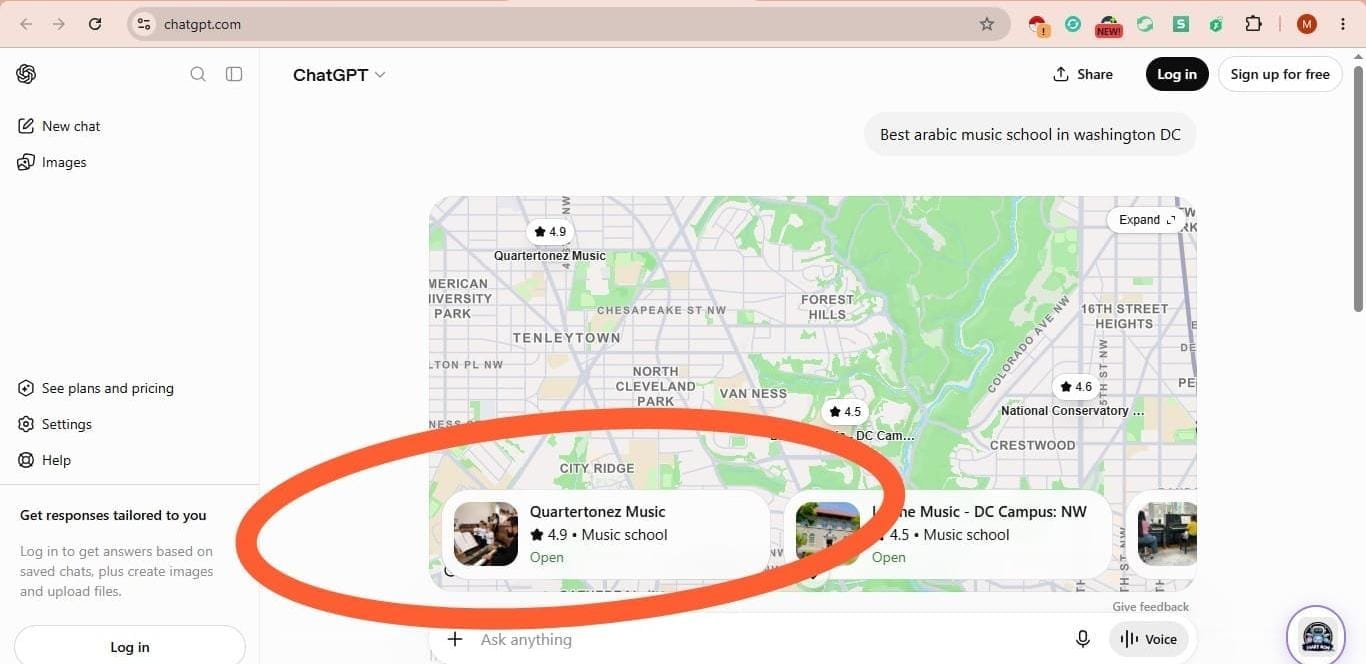
Search invisibility isn’t a future risk it’s happening now, every day your competitors get cited and you don’t. Here’s the shift, plainly:
Foundation
- Schema implementation, entity optimization, content audit, citation baseline. 3-month minimum. Perfect for skeptical clients or smaller businesses.
Growth
- Everything in Foundation + content transformation (5-10 pages/month), FAQ optimization, monthly citation tracking, quarterly strategy updates.
Enterprise
- Everything in Growth + digital PR execution, multi-platform monitoring, competitive analysis, dedicated account strategist, custom dashboards.
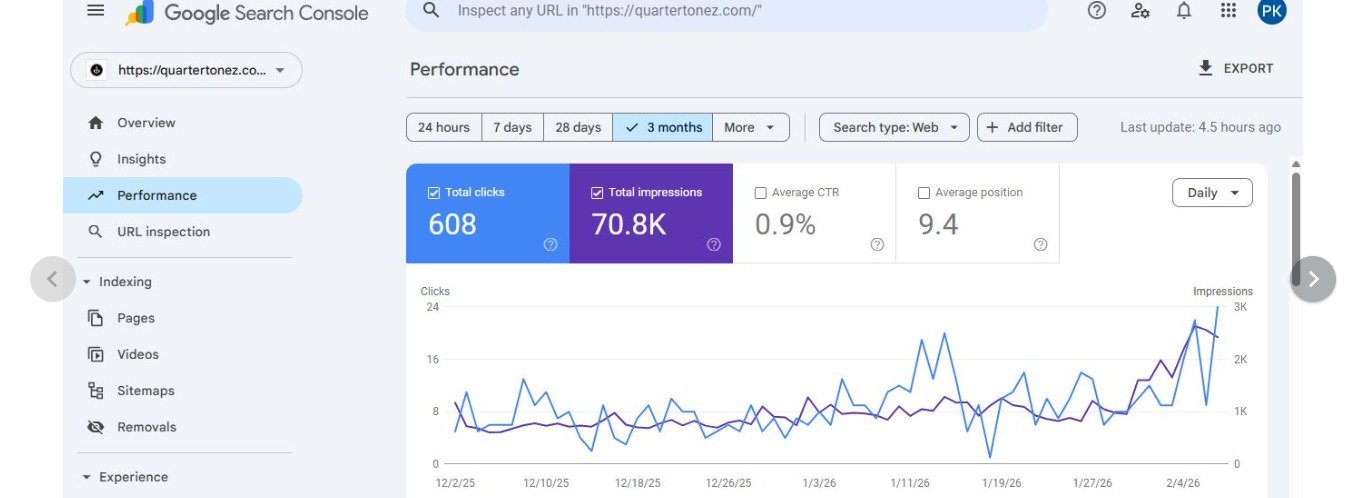
No ranking guarantees. Search algorithms are dynamic, and anyone promising a fixed position is telling you what you want to hear, not what’s true. What we commit to instead is a documented, compounding process — measured in citation rate, qualified traffic, and conversion, not just position.
Ready to see where you stand with AI search engines?
Get a free AI Visibility Audit a real read on how ChatGPT, Perplexity, and Google’s AI Overviews currently see, or don’t see, your business.
That’s exactly what our AI Visibility Audit measures, we test your top commercial search terms against ChatGPT, Perplexity, and Google AI Overviews to produce a baseline citation score, plus identify why competitors are being cited where you’re not.
Yes, indirectly and directly. LLMs weight content from pages with strong existing authority and backlink profiles more heavily, and third-party mentions on trusted sites (reviews, press, directories) help AI systems verify your business is real and credible, separate from anything on your own site.
If any meaningful share of your customers research online before buying, yes. AI Overviews and chat-based search are increasingly where that research happens, and being cited there puts you in front of pre-qualified buyers before a traditional search even happens. The scope just scales down: a smaller site needs a lighter audit and fewer priority pages restructured, not a different strategy.
SEO optimises for clicks on traditional blue links. GEO (Generative Engine Optimization) optimises your content and entity data so AI platforms like ChatGPT, Gemini, and Perplexity can extract and cite it directly. AEO (Answer Engine Optimization) is a narrower subset focused specifically on getting quoted in direct-answer formats. In practice, all three overlap, we build one strategy that covers all three, rather than treating them as separate line items.
Schema deployment and technical fixes typically go live within weeks 2–3. Citation growth is slower and compounding: most clients see measurable movement in citation rate within 60–90 days, with meaningful traffic and conversion impact building from month 3 onward. Anyone promising overnight citations is selling you a story, not a strategy.
We monitor and optimise for Google AI Overviews, ChatGPT, Perplexity, and Gemini as standard, with citation tracking reported monthly alongside your traditional rankings.
Yes. Structured data (JSON-LD) is how LLMs parse who you are, what you sell, and why you’re credible without it, AI engines are guessing from unstructured text, and guessing rarely results in a citation. It’s one of the core deliverables in our Entity & Schema Layer work.
No, it sits alongside it. Google’s blue links and traditional rankings still drive real traffic, and strong traditional SEO signals (backlinks, site authority, technical health) directly feed the sources LLMs pull from. We report AI citation data next to standard rank data, not instead of it.